Butcher Block: A Whimsical Kitchen Embroidery Review
As an embroidery designer who has spent countless weekends behind a craft fair table, I have learned that the difference between a browsing customer and a buying customer often comes down to immediate visual appeal. When I first loaded the Butcher Block machine embroidery design into my software, I was looking for that specific spark—a blend of charm and clarity that translates well from a digital screen to a physical product. This review breaks down how this design performs in the real world of handmade sales, focusing on its potential for kitchen-themed goods and home decor.
First Impressions: Whimsy Meets Rustic Charm
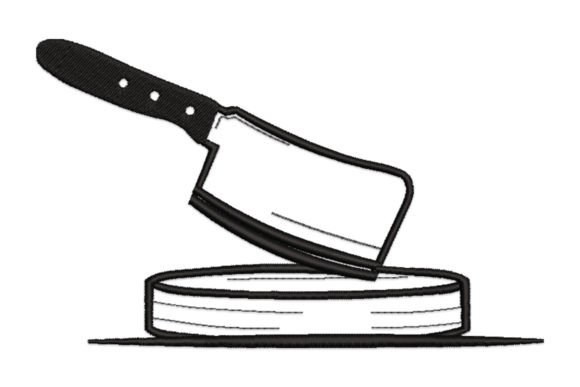
The title Butcher Block immediately suggests a rustic, farmhouse aesthetic, which remains a perennial favorite in the home decor market. However, the description promises a touch of whimsy and charm, which is crucial for standing out in a saturated market. Upon reviewing the digitization, the design feels approachable rather than overly formal. It does not scream "industrial kitchen"; instead, it whispers "cozy home cooking." This subtle distinction is vital for Etsy sellers and boutique makers who cater to buyers looking for warmth and personality in their household items.
For a craft fair booth, first impressions are everything. A design that is too complex can look cluttered from three feet away, while one that is too minimal might get lost among brighter competitors. Butcher Block strikes a balance. It is bold enough to be recognized as a focal point but retains enough delicate detail to invite closer inspection. This makes it an excellent candidate for a craft fair product that needs to catch the eye of a passerby moving quickly through an aisle.
Product Versatility and Market Fit
The true test of any digital embroidery file is its versatility. Can it survive on different fabrics? Does it scale well? Based on the description, this design is intended for towels, pillows, and home decor. Here is how I envision it performing across various small shop products:
- Tea Towel Embroidery: This is perhaps the strongest application. A linen or cotton tea towel provides a flat, stable surface that showcases the design’s whimsy without distortion. The contrast between the thread colors and the natural fabric texture can create a high-end, artisanal look that justifies a higher price point.
- Apron Embroidery: Placing the design on the bib of a canvas apron creates an instant gift item. It transforms a utilitarian object into a personalized keepsake. For commercial embroidery, ensure the placement is centered and visible when worn.
- Tote Bag Design: Canvas totes are staples at farmers' markets. Stitching Butcher Block on a neutral-colored tote adds a thematic touch that appeals to foodies and home cooks. It serves as both a functional item and a statement piece.
- Embroidered Patch: If the design holds up at a smaller size, it could be stitched onto felt or twill to create iron-on patches. These are low-cost, high-margin items that encourage impulse buys at your booth.
- Pillow Covers: For home decor, this design works well on square throw pillows. It adds a layer of texture and interest to living spaces, appealing to customers who want to refresh their decor seasonally.
Production Practicalities for the Handmade Seller
When preparing for a busy selling season, efficiency is key. A design that is difficult to stitch or prone to errors can eat into your profits. Here are some practical considerations for producing Butcher Block as a finished product:
Stitch Density and Fabric Texture: Always check the stitch density before running a full batch. If the design is dense, it may pucker lightweight fabrics like voile or thin cotton. Use a appropriate stabilizer—cut-away for stretchy fabrics and tear-away for stable wovens—to ensure the final product lies flat. Textured towels can sometimes obscure fine details, so test on your actual inventory fabric to confirm clarity.
Thread Colors and Contrast: The visual impact of this design relies heavily on thread choice. For a rustic look, consider earth tones like sage green, terracotta, or mustard yellow against cream or natural linen. For a more modern pop, try bright whites or pastels on dark navy or charcoal fabrics. High contrast helps the design stand out in photos and in person.
Hoop Size and Scaling: Since the specific hoop size and file formats are not detailed in the provided snippet, you must verify these details in the downloaded package. Ensure the design fits comfortably within your standard hoop sizes without requiring excessive re-hooping, which slows down production. If the design includes small lettering or intricate elements, avoid scaling it down too much, as these details may merge and lose definition.
Marketing and Visual Appeal
In the digital age, your product must sell twice: once in person and once online. Butcher Block lends itself well to lifestyle photography. Imagine a styled shot of the embroidered tea towel draped over a wooden cutting board, surrounded by fresh herbs. This context tells a story and helps the buyer visualize the product in their own home.
For Etsy listings, use clear, close-up shots that highlight the stitch quality. Show the back of the embroidery if it is neat, as this signals craftsmanship to discerning buyers. Create a printable mockup or digital composite if you are selling the design assets themselves, showing potential buyers how the design looks on various items. This reduces hesitation and increases conversion rates.
Designer Notes for Quality Control
Before listing Butcher Block as a handmade product or selling the file, follow these steps:
- Test on Scrap Fabric: Never skip the test stitch. Check for thread breaks, nesting, or registration issues.
- Check Commercial Licensing: Confirm that the license allows for the sale of finished physical goods. Most designers allow this, but terms vary.
- Batch Production Strategy: If the design is quick to stitch, consider making multiple items in one sitting to maximize machine uptime. Group similar fabrics together to minimize stabilizer changes.
- Curved Surfaces: If applying to caps or curved pouches, use a cap frame or specialized jig to prevent distortion. The whimsical nature of the design should not be compromised by poor placement.
In conclusion, Butcher Block offers a charming addition to any Kitchen themed collection. Its blend of rustic appeal and whimsical detail makes it a strong contender for craft fairs and online shops alike. By paying attention to fabric choice, stabilizer selection, and presentation, you can turn this embroidery file into a best-selling staple of your creative entrepreneur toolkit. Remember, the goal is not just to stitch a design, but to create a product that brings joy to the buyer and profit to your business.