Review: Branches and Flowers Embroidery Design
As an embroidery designer who spends countless hours digitizing and testing files for commercial use, I have learned that not every machine embroidery design is created equal. Some look stunning on a screen but turn into a tangled mess of thread breaks and puckering on fabric. Recently, I came across Branches and Flowers on Creative Fabrica and decided to put it through its paces. If you are a small business owner, Etsy seller, or hobbyist looking to elevate your handmade products, understanding how a design performs in the real world is crucial before you commit to a customer order.
First Impressions and Visual Mood
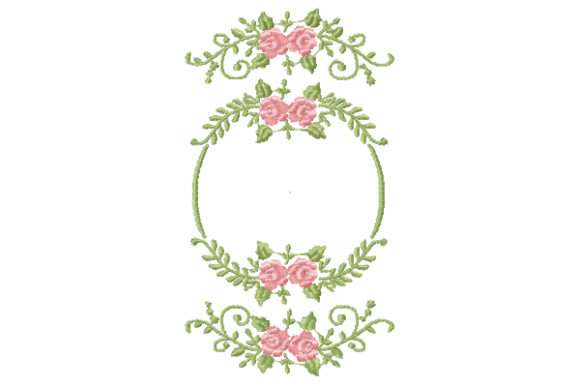
The first thing that struck me about Branches and Flowers was its delicate balance between organic flow and structured detail. The visual mood is distinctly romantic and timeless, fitting perfectly within the Floral category without feeling overly generic. The design features intertwining branches that create a natural frame, adorned with soft petals and leaves. This kind of aesthetic is highly versatile; it does not scream for attention but rather invites a closer look, which is exactly what you want for high-end custom apparel or boutique home decor.
From a technical standpoint, the stitching personality appears well-thought-out. The transition between the slender branches and the fuller flower heads suggests a mix of running stitch for fine lines and satin stitch or fill stitch for the blooms. This variety is essential for creating depth. A flat, single-stitch-type design often looks cheap on finished goods, whereas Branches and Flowers promises the textural contrast that buyers associate with quality Embroidery work.
Real-World Application for Handmade Products
When evaluating a new digital embroidery file, I always ask myself: where does this belong? For Branches and Flowers, the answer is surprisingly broad. Because the design is described as suitable for towels, sheets, curtains, and clothes, it implies a scalability that is rare in pre-digitized assets. Here is how I envision using this design in a real production environment:
- Kitchen and Bath Linens: The organic shape works beautifully on hemmed kitchen towels or cloth napkins. It adds a touch of elegance that can justify a higher price point for handmade gifts.
- Custom Apparel: Imagine this stitched on the left chest of a linen shirt or across the back of a denim jacket. The branching structure allows it to conform well to curved surfaces, making it ideal for sweatshirt embroidery or lightweight cardigans.
- Home Decor: This design would shine on pillow covers or curtain panels. The floral elements provide a focal point that can tie a room’s color scheme together, especially when using contrasting thread colors.
- Tote Bags and Aprons: For craft fair products, a large-scale version of this design on a canvas tote bag design or a sturdy cotton apron creates an instant bestseller. It appeals to customers looking for durable yet beautiful everyday items.
Technical Considerations and Stitching Performance
While the aesthetic appeal is strong, the practical execution is where many designers stumble. When working with Branches and Flowers, there are several technical factors to consider to ensure a professional finished product.
First, consider the stitch density. Floral designs often require dense filling to prevent the fabric from showing through, but too much density can cause puckering, especially on lighter fabrics like voile or thin cotton. I recommend testing the design on scrap fabric similar to your final material. If you are stitching on stretchy fabric, such as jersey knits for t-shirts, using a cut-away stabilizer is non-negotiable to maintain the integrity of the branches.
Second, pay attention to the hoop size. Although the product description mentions multiple file formats, you must verify that the specific size you download fits your machine’s hoop capabilities. If you plan to use this on smaller items like baby bibs or caps, ensure you have access to a scaled-down version of the file. Stitching on curved surfaces, such as the front of a cap, requires careful hooping and possibly a different stabilizer strategy to avoid distortion of the delicate branch lines.
Color choice is another critical element. On dark fabrics, you may need to adjust the thread palette to ensure the flowers pop. A monochromatic look using varying shades of one color can create a sophisticated, subtle effect, while high-contrast colors will make the design stand out as a bold statement piece. Always check the thread color contrast against your base material before starting a full production run.
Enhancing Brand Value and Customer Trust
For creative entrepreneurs, the choice of design assets directly impacts brand perception. Using a high-quality Creative Fabrica embroidery design like Branches and Flowers can significantly enhance the perceived value of your handmade product. Customers are increasingly discerning; they can tell the difference between a hastily stitched logo and a thoughtfully placed, well-executed artistic motif.
This design lends itself well to creating a cohesive brand identity. If you specialize in rustic or botanical-themed goods, incorporating this floral element across your product line—from embroidered patch labels to main garment features—creates visual consistency. This consistency builds buyer trust and encourages repeat purchases. Furthermore, the intricate details of the branches and flowers provide excellent opportunities for product photography. Close-up shots of the stitch texture can be used in social media marketing to highlight craftsmanship, driving higher engagement and sales.
Practical Tips for Commercial Use
Before you list items made with Branches and Flowers on Etsy or at local craft fairs, take these final steps to ensure success:
- Verify Licensing: Always review the license terms on the Creative Fabrica product page. Ensure that commercial use is permitted for physical finished goods if you plan to sell them.
- Test on Multiple Fabrics: Do not assume the design will behave the same on denim as it does on silk. Run test stitches on all material types you intend to offer.
- Check File Details: Confirm that the download includes the specific embroidery file formats compatible with your machine (such as PES, DST, or JEF). The description notes multiple formats, but double-checking saves time and frustration.
- Inspect Small Details: After stitching, inspect the tiny connections between branches and leaves. If any areas are prone to snagging, consider adding a light backing or adjusting tension settings.
In conclusion, Branches and Flowers is a promising addition to any embroidery designer’s library. Its versatility, combined with its elegant aesthetic, makes it a strong candidate for a wide range of commercial and personal projects. By paying attention to technical details like stabilizer choice and stitch density, you can transform this digital asset into a tangible, high-value product that resonates with customers. Whether you are creating a personalized gift or expanding your boutique merchandise, this design offers the artistic flair and practical utility needed to succeed in the competitive handmade market.