Reviewing the Beautiful Monogram M Letter
As a designer who has spent countless hours hooped up at the machine, watching needles dance across fabric, I have developed a keen eye for what makes a machine embroidery design truly workable. It is not just about how pretty it looks on a screen; it is about how it behaves under tension, how it interacts with different fabric textures, and whether it holds up after the first wash. Recently, I had the chance to evaluate the Beautiful Monogram M Letter, a piece that promises elegance and intricacy. Here is my practical assessment of how this design performs in real-world scenarios.
First Impressions and Visual Personality
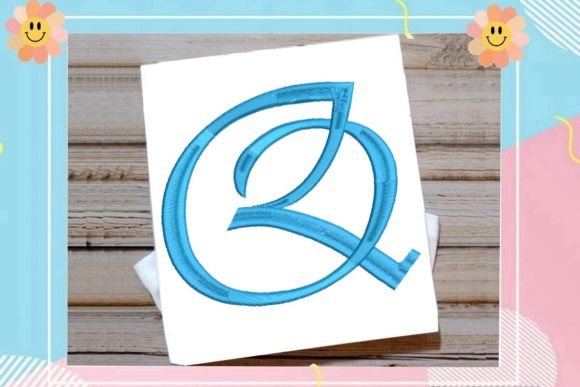
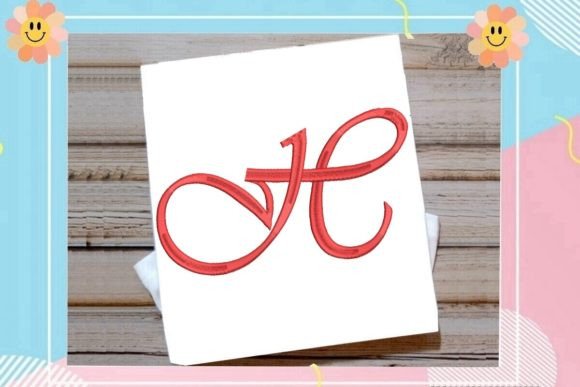
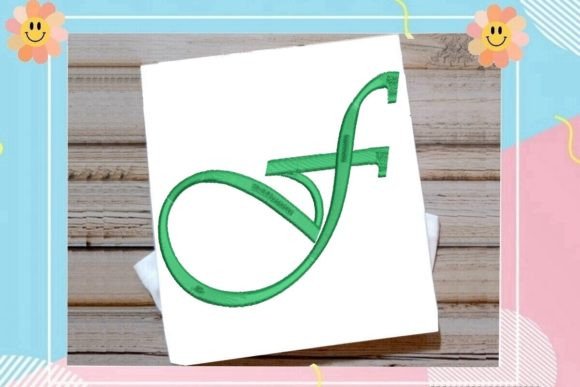
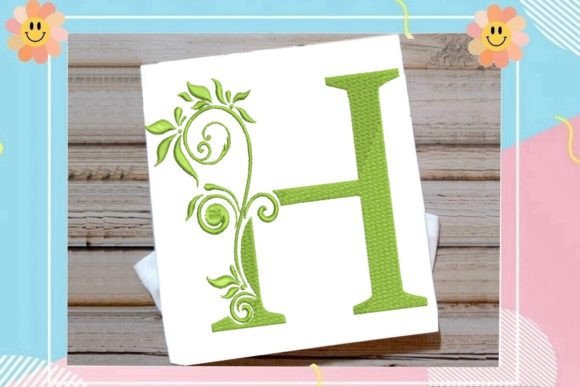
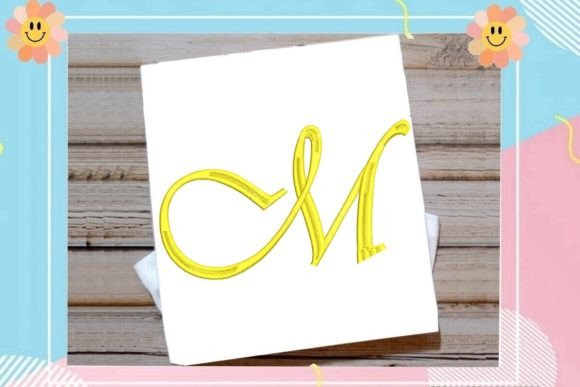
The moment I loaded the file into my software, the Beautiful Monogram M Letter stood out for its classic structure. It does not rely on gimmicks or overly complex fills that can cause puckering. Instead, it offers a sophisticated silhouette that feels timeless. The layout suggests a balance between boldness and delicacy, which is often difficult to achieve in monogram styling. For those of us creating design assets for clients, this visual personality is crucial. It speaks of quality without shouting, making it an excellent candidate for projects where subtlety is valued over flashiness.
This design naturally belongs to projects that require a touch of refinement. Whether you are working on a Wedding Monogram suite or a high-end boutique label, the intricate details suggest a level of care that customers appreciate. It creates a mood of understated luxury, which is exactly what many handmade shop owners aim to convey through their finished product.
Real-World Application: The Custom Tote Test
To truly understand the value of an embroidery file, you must put it to work. I decided to test the Beautiful Monogram M Letter on a heavy canvas tote bag, a popular item for Etsy sellers and craft fair vendors. Canvas is unforgiving; if a design is too dense, it pulls the fabric. If it is too sparse, it looks cheap against the rough weave.
The result was impressive. The design maintained its clarity without distorting the bag’s structure. The stitch density appeared well-calibrated for medium-to-heavy weight fabrics. For a small shop product, this reliability is gold. It means less time spent fixing hoop burns or trimming excessive jump stitches. I also imagined this same design on a soft cotton sweatshirt embroidery project. Here, the intricate lines would need careful attention to stabilizer choice to prevent sinking into the fleece, but the open areas in the letterform suggested it would breathe well, avoiding that stiff, cardboard-like feel some monograms leave behind.
Versatility Across Product Lines
Beyond totes and sweatshirts, this design shows promise in several other categories:
- Baby Embroidery: When scaled down appropriately, the clean lines work well on onesies or burp cloths, provided the thread colors are soft and contrasting enough for visibility.
- Holiday Embroidery: Imagine this monogram on a linen kitchen towel or a velvet pillow cover. The elegance fits perfectly with seasonal decor that aims for a cozy yet chic aesthetic.
- Custom Apparel: For left-chest logos on polo shirts or denim jackets, the Beautiful Monogram M Letter offers a professional look that elevates basic garments into personalized treasures.
- Embroidered Patch: With the right backing and border, this could serve as a striking central element for iron-on patches, appealing to the custom apparel market.
Technical Considerations and Cautionary Notes
While the design is strong, no digital embroidery file is universal. There are specific situations where you must proceed with caution. If you are working with stretchy fabric like jersey knits, the intricate details may distort if not properly stabilized. I recommend using a cut-away stabilizer for these applications to ensure the satin stitch elements remain crisp.
Additionally, consider the hoop size. While the design is versatile, placing it on a curved surface like a cap requires careful positioning. The detailed corners of the "M" need space to breathe. If you crowd it near a seam or a pocket, you risk needle breaks or misalignment. For thin fabric such as silk or chiffon, this design might be too heavy unless you use a water-soluble stabilizer on top and bottom to support the fill stitch areas.
Dark fabrics present another challenge. The elegance of the monogram relies on contrast. If you stitch white thread on black fabric, ensure your tension is perfect, as any loose threads will show immediately. Always test your thread colors on scrap fabric first. A printable mockup can help visualize the placement, but nothing replaces a physical test stitch on the actual material you intend to use.
Impact on Brand and Customer Trust
For craft business owners, the quality of your embroidery directly impacts customer trust. A messy monogram suggests a lack of attention to detail, while a crisp, well-executed Beautiful Monogram M Letter signals professionalism. This design helps build brand consistency because its classic style does not trend in and out of fashion quickly. It is a safe, reliable choice for personalized gift items that need to look expensive even if they are affordably priced.
When buyers see this level of clarity in your Etsy listings or at a craft fair, they perceive higher value. It enhances the giftability of the item. A monogrammed towel or shirt feels exclusive, and this design supports that feeling through its refined execution. It aids in buyer engagement because it looks complete and polished, reducing the hesitation customers often feel when buying custom goods online.
Practical Designer Notes
Before you commit to a large production run or list this as a new commercial embroidery offering, keep these practical steps in mind:
- Check Licensing: Confirm whether the license allows for selling finished physical items or if it is for personal use only. This is critical for small business merchandise.
- Inspect Small Details: Zoom in on your software. Look for any tiny running stitch connections that might break easily. Ensure the underlay is sufficient for your fabric type.
- Test on Scrap Fabric: Never skip this step. Use the same fabric and stabilizer combination you plan to use for the final product.
- Review Stitch Density: If the design feels too stiff after stitching, consider adjusting the density settings in your software if you have the editing skills, or choose a lighter fabric.
- Compare Backgrounds: Test the design on both light and dark fabrics to determine the best thread color combinations for your specific inventory.
In conclusion, the Beautiful Monogram M Letter is a robust addition to any designer’s library. It balances aesthetic appeal with technical practicality, making it suitable for a wide range of embroidery project types. By respecting its technical needs and understanding its visual strengths, you can create stunning, high-value products that resonate with customers and stand the test of time.