Review: Duck Doll ITH Pattern 6x10 for Makers
As a designer who has spent countless hours hooping, stitching, and troubleshooting machine embroidery design files, I approach every new asset with a mix of curiosity and caution. When I first loaded the Duck Doll ITH Pattern 6x10 into my software, I was not just looking for a cute image; I was evaluating its viability for real-world commercial application. In the crowded marketplace of handmade goods, particularly within the Baby Animals niche, execution is everything. This review breaks down how this specific embroidery file performs when moved from the digital screen to actual fabric, focusing on practical utility for Etsy sellers, craft business owners, and serious hobbyists.
First Impressions and Visual Personality
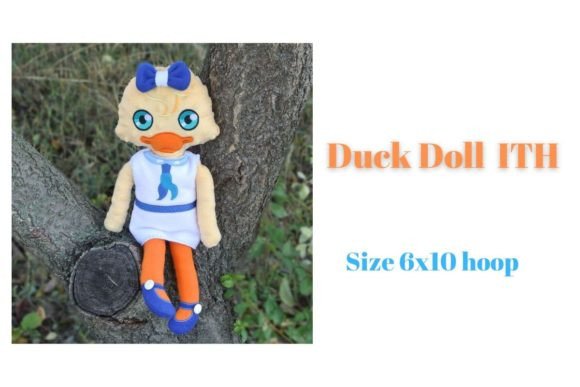
The immediate appeal of the Duck Doll ITH Pattern 6x10 lies in its charming, whimsical character. It is not merely a flat duck illustration; it is designed as an In-The-Hoop (ITH) project, meaning the final product is a three-dimensional doll created entirely within the embroidery hoop. The layout suggests a playful mood, ideal for nursery decor or children’s accessories. From a design perspective, the proportions appear balanced for a 6x10 hoop, maximizing the available space without risking edge collisions that often plague larger ITH designs.
For those creating a personalized gift or a boutique item, the visual personality here is soft and inviting. However, a pretty preview image does not guarantee a smooth stitch-out. The true test is how the design translates when the needle hits the fabric. Does the charm survive the mechanical process of stitching? In my assessment, the design’s structure relies heavily on precise alignment, which is typical for ITH projects but requires careful attention from the operator.
Real-World Application and Product Fit
While the primary output of this file is a standalone doll, understanding its broader application helps maximize its value. Imagine preparing a custom order for a client expecting a baby shower gift. Instead of just selling the doll, you could use the aesthetic elements of the design to inspire a coordinated set. Perhaps you pair the finished doll with a matching tote bag design or a simple sweatshirt embroidery featuring a simplified version of the duck motif. This creates brand consistency and increases the perceived value of your handmade product.
For small shop product lines, versatility is key. This design fits naturally into categories like holiday embroidery for spring collections or as a year-round staple for baby embroidery items. If you are an apparel decorator, you might consider using the doll as a hanging accessory attached to a diaper bag or stroller. The "doll" aspect makes it tactile and interactive, which drives higher engagement from buyers compared to static patches.
When considering commercial embroidery use, think about scalability. Can you produce these efficiently? The description notes "Full step-by-step instructions," which is a critical asset for reducing production errors in a busy workshop. Consistent output leads to customer trust, and clear instructions help maintain that consistency even if you hire help later.
Technical Performance and Stitching Considerations
Let us discuss the technical realities. ITH designs are notoriously sensitive to tension and stabilization. The Duck Doll ITH Pattern 6x10 involves multiple layers and likely includes zippers or closures to turn the doll right-side out. You must pay close attention to stitch density. If the fill areas are too dense, the fabric may pucker, especially on smaller hoops. Conversely, if the density is too low, the stuffing inside the doll might show through, ruining the professional finish.
I recommend testing this digital embroidery file on scrap fabric that matches your intended production material. Do not skip this step. Check how the satins stitch edges hold up against wear and tear. For a doll that will be handled by children, durability is non-negotiable. Ensure that any running stitch outlines are secure and that color changes are minimized where possible to reduce thread tails and potential unraveling points.
Fabric choice matters immensely. A stable cotton or canvas works best for the structural integrity of an ITH doll. Avoid highly stretchy fabrics unless you use a heavy-duty cut-away stabilizer. Textured fabrics can obscure fine details, so if the duck’s face has small embroidered features, test on smooth fabrics first to ensure clarity. Dark fabrics require careful thread colors selection to ensure the design pops without losing definition in shadowed areas.
Design Limitations and Careful Use Cases
While versatile, this design is not a one-size-fits-all solution. It is specifically sized for a 6x10 hoop. Attempting to resize it significantly for smaller hoops, such as 4x4, may result in lost detail or stitching errors due to the complexity of the ITH construction. Similarly, do not attempt to stretch this design onto curved surfaces like caps directly; it is meant to be a freestanding or assembled item, not a flat patch applied to complex geometries.
Be cautious with tiny details. If the design includes small eyes or beak details, verify their size in your software. Small, dense satin stitches can become brittle and break after washing. For products that need frequent laundering, such as baby items, consider reinforcing these areas or simplifying them if your machine allows for editability. Always confirm the license terms before selling finished items. While many designers allow commercial use of finished physical products, selling the design assets themselves or digital copies is usually prohibited.
Enhancing Value and Professional Presentation
To maximize the impact of your embroidery project, presentation is crucial. When photographing your finished duck dolls for your online store, use natural light to highlight the texture of the stitches. Create printable mockup scenes that show the doll in a lifestyle context—perhaps sitting on a nursery shelf or held by a child. This helps buyers visualize the finished product in their own lives.
Consistency in your thread colors across different batches builds brand recognition. Choose a signature palette for your duck dolls. Maybe you always use a specific shade of yellow for the body and a contrasting teal for the clothes. This subtle branding helps customers identify your work instantly. Furthermore, providing care instructions with your product demonstrates professionalism and reduces post-purchase queries.
In conclusion, the Duck Doll ITH Pattern 6x10 is a solid addition to a designer’s library, provided it is used with technical awareness. It offers a delightful blend of charm and craftsmanship potential. By respecting the technical requirements of ITH stitching, choosing appropriate materials, and presenting the final item with care, you can create high-value items that resonate with customers. Whether you are a seasoned Etsy seller or a hobbyist looking to refine your skills, this design rewards attention to detail with a beautiful, tangible result.