Cute Poodle: A Designer’s Review for Small Business Merch
As an embroidery designer who has spent years digitizing files and consulting with small business owners, I approach every new machine embroidery design with a critical eye. It is not enough for a motif to be visually appealing; it must perform under the needle, withstand washing, and elevate the perceived value of the final product. Recently, I reviewed Cute Poodle, a design categorized under Dogs that promises to elevate apparel with a distinct, custom-made aesthetic. After analyzing its potential for commercial use, I have compiled this review to help shop owners, Etsy sellers, and brand creators decide if this asset belongs in their digital library.
First Impressions: Balancing Playfulness with Professionalism
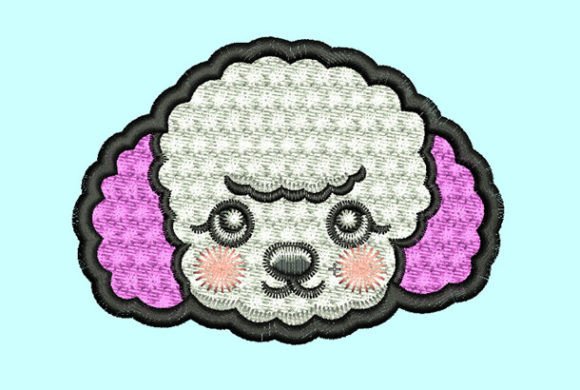
The title Cute Poodle immediately suggests a friendly, approachable vibe. In the world of branding, this is a powerful tool. While many corporate logos strive for cold minimalism, small businesses—especially those in the pet care, boutique retail, or creative service sectors—thrive on warmth and personality. This design appears to infuse garments with a perfect blend of charm and meticulous detail. For a handmade brand, this balance is crucial. You do not want a logo that looks too amateurish, nor one that feels sterile. Cute Poodle sits comfortably in the middle, offering a decorative yet polished look that can serve as a signature mark for a variety of industries.
Real-World Applications for Small Business Merchandise
When evaluating a digital embroidery file, I always ask: where will this live? The versatility of Cute Poodle makes it a strong candidate for several key merchandise categories. Here is how I envision this design performing in a real business scenario:
- Embroidered Patches: This is perhaps the strongest use case. A well-digitized poodle design can be turned into a high-quality embroidered patch for pet groomers, dog walkers, or local boutiques. Patches allow for dense stitching and vibrant thread colors without worrying about fabric puckering.
- Staff Uniforms and Aprons: For a café, bakery, or florist, adding Cute Poodle to an apron embroidery project creates an instant connection with customers. It signals that the business is friendly and attentive to detail. However, placement is key; a chest-left position is standard, but a sleeve detail can add a subtle, premium touch.
- Cap Embroidery: Caps are high-margin items for small businesses. If the design is simplified correctly, it can work on the front panel of a dad hat or baseball cap. This requires checking the stitch density to ensure the cap does not collapse under the weight of the thread.
- Tote Bag Design: Canvas tote bags are popular for eco-friendly brands. The sturdy fabric texture of canvas supports heavier stitches, making it an ideal surface for this type of character-based embroidery. It turns a simple bag into a walking advertisement for your brand identity.
Navigating Technical Challenges and Fabric Constraints
While the aesthetic appeal is clear, the technical execution determines whether a design becomes a bestseller or a return nightmare. When working with Cute Poodle, there are specific areas where caution is required. Small business owners must consider the physical limitations of their equipment and materials.
Stitch Density and Detail: The description mentions "meticulous detail." In embroidery, detail often translates to high stitch count. If you are placing this on a lightweight fabric, such as a thin t-shirt or a silk blouse, the density may cause puckering or distortion. Always test the design on a scrap piece of your actual production fabric before running a full batch. If the design includes fine lines or tiny elements, ensure they are not so small that they disappear when stitched out or become fragile during washing.
Curved Surfaces and Hoop Size: Applying this design to curved surfaces like caps or sleeves requires careful hooping. You must confirm the hoop size compatibility with your machine. If the design is too large for a standard cap frame, it may need to be resized, which could compromise the integrity of the outlines. Always check if the design assets include multiple sizes or if resizing is recommended by the digitizer.
Thread Color Contrast: On dark uniforms or navy blue tote bags, light-colored threads may require an underlay stitch to prevent the background fabric from showing through. Conversely, on white apparel, ensure the outline is distinct enough to stand out. Test your thread colors against your most common garment shades to maintain visual consistency across your product line.
Enhancing Brand Identity and Customer Trust
Beyond the technical specs, Cute Poodle serves a strategic marketing function. In the crowded marketplace of handmade products and custom apparel, brand recognition is everything. A consistent, high-quality visual element helps build trust. When a customer receives a package with a beautifully embroidered tag or a branded tote bag, the perceived value of the transaction increases. This design, with its custom-made aesthetic, signals that the business cares about quality. It transforms a generic item into a bespoke finished product.
For Etsy sellers and crafters, using a unique design like this differentiates your shop from competitors who rely on clip-art style graphics. It adds a layer of professionalism that justifies higher price points. Whether used as a primary logo accent or a secondary decorative element, it contributes to a cohesive brand story that resonates with buyers looking for authenticity and charm.
Practical Designer Notes for Production
Before you purchase or begin production with Cute Poodle, follow these essential steps to ensure success:
- Test in Black and White First: Stitch out the design using only black thread on white fabric. This reveals the structure and spacing without the distraction of color. If it looks good in monochrome, it will likely look great in color.
- Check Commercial Licensing: Never assume a digital embroidery file is free for commercial use. Verify the license terms provided with the download. Ensure you have the rights to use the design on items you intend to sell.
- Create a Printable Mockup: Before stitching, place the design image on a photo of your intended garment. This helps visualize scale and placement, allowing for client approval or internal review before wasting thread and fabric.
- Use Proper Stabilizer: Match your stabilizer to your fabric. Cut-away stabilizer is generally best for stretchy fabrics like t-shirts, while tear-away works for stable woven materials like canvas or denim. Incorrect stabilization is the leading cause of poor embroidery quality.
- Inspect Spacing and Satin Columns: Zoom in on the digitized file if possible. Look for wide satin columns that might snag or loose jumps that could cause thread nests. A well-digitized file will have tight, efficient pathing.
In conclusion, Cute Poodle offers a compelling option for small business owners looking to add personality to their merchandise. By respecting the technical requirements of machine embroidery and strategically applying the design to appropriate products like patches, aprons, and totes, you can create high-value assets that strengthen your brand identity. Always prioritize testing and quality control to ensure that every stitched item reflects the professionalism your customers expect.