B Beautiful Monogram Letter: A Designer’s Review
As a designer who has spent countless hours digitizing and testing machine embroidery designs, I have developed a keen eye for what works in the hoop versus what merely looks good on a screen. When I first loaded the B Beautiful Monogram Letter into my software, I was looking for more than just aesthetic appeal. I wanted to know if this design could withstand the rigors of real-world production. Would it hold up on a textured tote bag? Would it look crisp on a baby onesie? This review breaks down my practical experience evaluating this file for both personal projects and commercial use.
First Impressions and Visual Personality
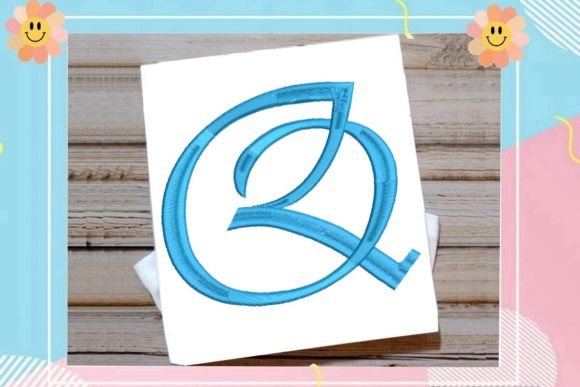
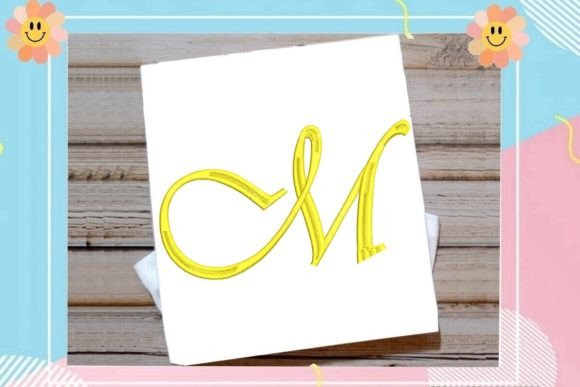
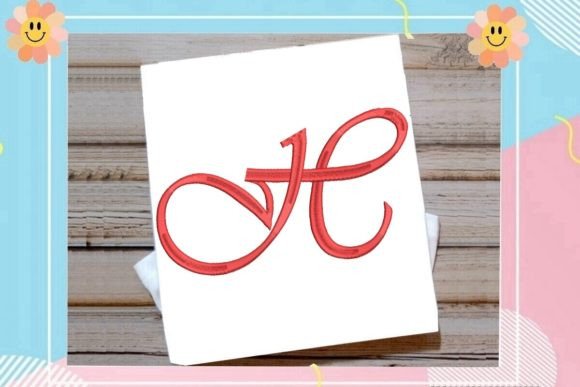
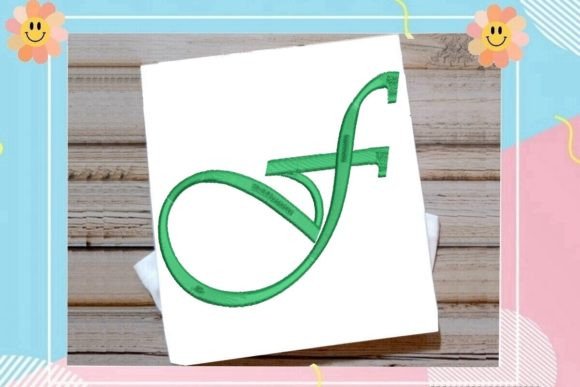
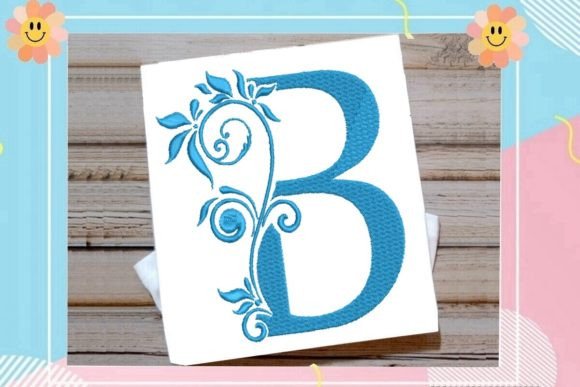
The immediate impression of the B Beautiful Monogram Letter is one of refined sweetness. It avoids the overly ornate clutter that plagues many monogram files, opting instead for a clean, modern silhouette that feels contemporary yet timeless. The layout suggests a balance between elegance and approachability, making it versatile enough for a wide range of applications. For those of us in the craft business, versatility is key. A design that only works on heavy denim limits your market, but a design that adapts well to various fabric textures opens up numerous revenue streams.
The visual personality here is soft but structured. It does not rely on excessive decorative flourishes that can cause thread breaks or nesting issues during stitching. Instead, it uses confident lines that suggest quality craftsmanship. This is crucial for Etsy sellers and small shop owners who need their finished products to look professional, not homemade in a negative sense. The design feels like it belongs in a boutique setting, whether it is adorning a linen napkin or a high-end apparel item.
Real-World Application: The Custom Tote Test
To truly test the viability of any embroidery file, I believe in putting it through a realistic scenario. I chose to stitch the B Beautiful Monogram Letter onto a canvas tote bag, a popular item for wedding gifts and boutique merchandise. Canvas presents a unique challenge due to its weave and thickness. I paired the design with a medium-weight cut-away stabilizer to ensure the fabric did not pucker around the letter.
The result was impressive. The design maintained its integrity without sinking into the fabric texture. The stitch density appeared well-calibrated for a medium-weight material, providing enough coverage to make the letter pop without creating a stiff, cardboard-like feel. For a Wedding Monogram application, this is vital. Guests often receive these totes as favors, and they need to be durable enough for repeated use while remaining aesthetically pleasing. The modern look of the B monogram added a personalized touch that elevated the perceived value of the simple canvas bag.
Performance on Different Fabrics
Beyond canvas, I considered how this design would perform on other common substrates. For sweatshirt embroidery, the design’s clean lines would stand out well against fleece or French terry, provided you use a tear-away stabilizer to prevent stiffness. On thinner fabrics like cotton tea towels or baby clothes, caution is required. While the design is beautiful, any monogram with significant fill stitch areas can pull on lightweight materials. I recommend testing on scrap fabric first to adjust your tension and stabilizer choice.
For curved surfaces like caps or hats, the layout of the B Beautiful Monogram Letter seems conducive to placement on the front panel, though you must ensure the hoop size accommodates the width of the letter without distorting the brim. The design does not appear to have extreme overhangs that would require complex underlay strategies, making it a safer bet for hobbyists and beginners alike.
Technical Considerations for Designers
From a technical standpoint, there are several factors to evaluate before committing to a large production run. First, consider the stitch types used. While I cannot specify the exact count without the file metadata, the visual output suggests a mix of satin stitch for borders and fill stitch for the body of the letter. This combination is standard for achieving a polished look. However, dense stitch areas can be problematic on stretchy fabrics. If you are creating custom apparel using jersey knits, ensure you use a stabilizer that supports the fabric’s stretch without restricting it.
Thread color contrast is another critical element. The B Beautiful Monogram Letter relies on shape definition. On dark fabrics, using a light thread color will highlight the design’s modern curves. Conversely, on light fabrics, a bold, contrasting color can make the monogram serve as a striking focal point. I always advise testing the design in black and white mockups first. If the design loses its definition in grayscale, it may lack the necessary contrast for certain applications.
Navigating Limitations and Care
No design is perfect for every situation. Where should you use this design carefully? Small hoop sizes might clip the edges if the design is scaled down too aggressively. Always check the minimum recommended size in the product details. Additionally, tiny lettering or intricate corners can be prone to thread breaks if the needle is dull or the thread quality is poor. For items that require frequent washing, such as kitchen towels or baby items, ensure the stitch density is not so high that it compromises the fabric’s durability over time.
For commercial embroidery projects, consistency is key. If you are selling digital embroidery files or finished handmade products, you must verify the license terms. Does the purchase allow for commercial use of finished items? Can you resell the digital file itself? These are questions every creative entrepreneur must answer before listing products on Etsy or at craft fairs. Never assume; always read the license agreement provided with the download.
Enhancing Brand Value and Customer Trust
Ultimately, the choice of design impacts your brand perception. Using a high-quality, modern monogram like the B Beautiful Monogram Letter signals attention to detail. It tells your customers that you care about the aesthetics of the final product. This builds trust and encourages repeat business. Whether you are creating holiday embroidery gifts or everyday personalized items, the right design acts as a silent ambassador for your craft business.
In conclusion, this design offers a solid foundation for a variety of embroidery projects. It balances visual appeal with practical stitchability, making it a valuable asset for both hobbyists and professional designers. By understanding its strengths and limitations, you can leverage this monogram to create stunning, marketable products that resonate with your audience. Remember to always test on scrap fabric, choose the right stabilizer, and respect the licensing terms to ensure your success in the competitive world of handmade goods.